Nanluoguxiang Hutong
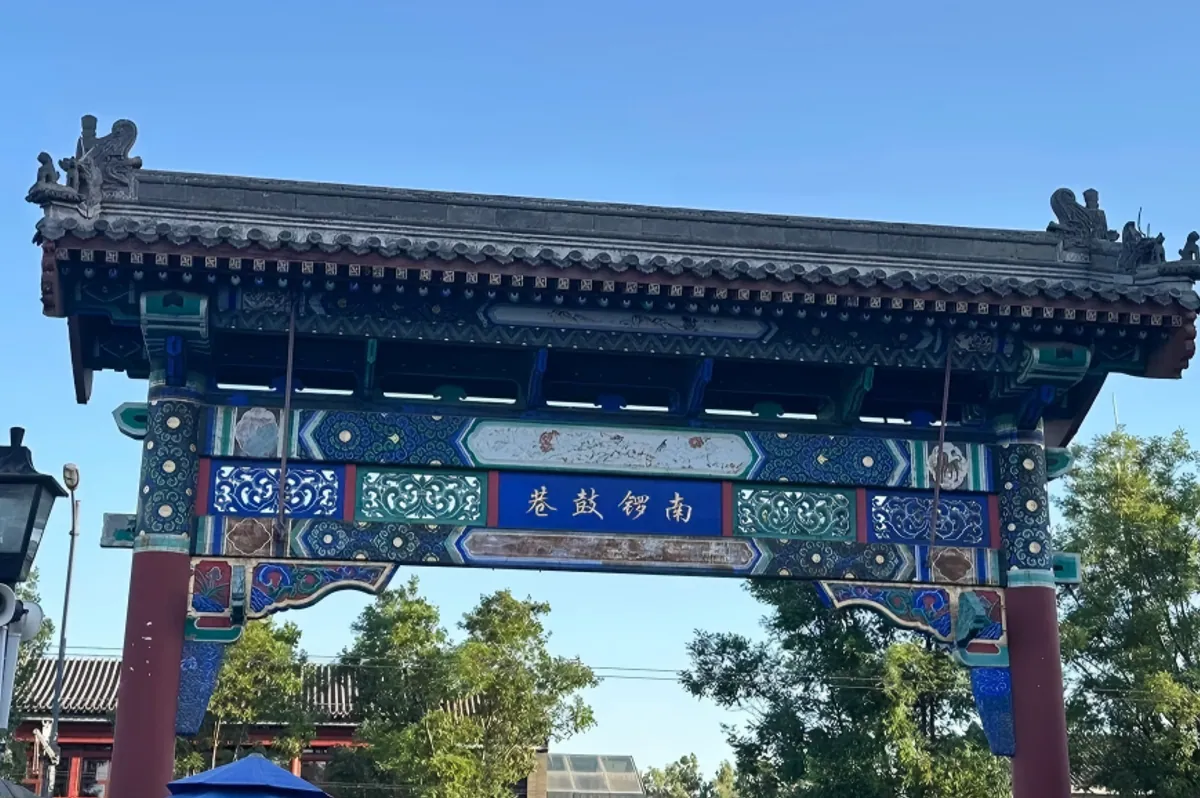
Beijing’s most famous hutong alley lined with boutique shops, craft stores, snack stalls, and traditional courtyard homes.
Why It’s Worth Visiting
Nanluoguxiang is the most walkable window into Beijing's hutong life — the courtyard lanes where the old city's daily rhythm still plays out, minutes from the modern chaos. The main lane's boutiques and snacks are the draw, but the quiet side alleys — Mao'er, Yu'er — are the real discovery.
Dating to the Yuan Dynasty's original street grid, it is one of the best-preserved hutong neighborhoods in the city, and the free stroll from here to the Drum and Bell Towers stitches together the old city's most photogenic mile.
What to Expect
Nanluoguxiang is Beijing's most famous hutong, and it wears that fame with mixed results. The main lane is a 780-meter spine of boutiques, snack stalls, craft shops, and neon signs — a lively, occasionally frantic commercial strip that draws crowds from mid-morning onward. The real Nanluoguxiang experience is what branches off it.
Duck into Mao'er Hutong or Yu'er Hutong — perpendicular alleys barely two meters wide — and within thirty seconds the crowd evaporates. Courtyard homes (siheyuan) with peeling red gates line the lanes, old men play chess on folding tables, and the only soundtrack is the clatter of bicycle bells. This is the hutong Beijing tourists imagine before they arrive and usually miss on the main drag.
The neighborhood rewards aimless walking. The lanes connect eventually to the Drum and Bell Towers at the north end — climb the Bell Tower's steep stairs for a panoramic hutong-rooftop view — and the whole district fills with red-lantern restaurants after dark.
The hutong grid is one of Beijing's oldest. Nanluoguxiang dates to the Yuan Dynasty (1271-1368) and follows the same chessboard pattern as the original city; the surrounding lanes were laid out when the Mongol capital's streets were organized into blocks of courtyard compounds. It is the best-preserved hutong-and-siheyuan neighborhood in the old city, and many courtyards still house families who have lived there for generations.
The best rhythm is a morning-to-late-afternoon wander: shop the main lane while it is quiet, lose yourself in the side alleys, then end at the Drum and Bell Towers before the neighborhood's restaurant and bar scene wakes up. It is free, walkable, and endlessly photogenic.
Mao’er Hutong heading west — about 100 meters in, afternoon sun slants through trees onto grey brick walls with bicycles against doorways. This is the Beijing tourists imagine. Shoot around 4pm in autumn.
| Ticket Price | Free entry |
| Duration | 1-2 hours |
| Nearest Subway | Nanluoguxiang (Line 6/8), Exit E |
| Best Season | Spring, Autumn |
| Best For | All visitors, including families |
Must-See Highlights
- Courtyard architecture
- Local snacks
- Boutique shops
- Bell and Drum Towers
How to Get There
Take Line 6/8 to Nanluoguxiang station (Exit E). The attraction entrance is a short walk from the station.
Beijing subway operates from approximately 5am to 11pm daily. Fares range from CNY 3 to 9. English signage and announcements are available on all lines.
How to Spend Your Time
- 1
Walk the main lane south-to-north in the morning, when shops open and crowds are thin.
- 2
Detour into Mao'er and Yu'er hutongs on the west side for the quiet courtyards.
- 3
End at the Drum and Bell Towers and climb the Bell Tower for the rooftop view.
- 4
Return at night for the lantern-lit street food scene.
Insider\u2019s Tip
The real gems are the side alleys — duck into Mao’er Hutong or Yu’er Hutong and within 30 seconds the noise drops away. You’ll find quiet courtyard homes, old men playing chess, and tiny family-run dumpling shops.
A Bit of History
Nanluoguxiang dates to the Yuan Dynasty (1271-1368) and follows the same grid pattern as Beijing’s old city. It’s one of the best-preserved hutong and siheyuan neighborhoods. Many courtyard homes still house families who have lived there for generations.
Beat the Crowds
Weekday mornings before 11am are quiet. After 2pm on weekends, the lane becomes a slow-moving river. Go in the morning for shopping, early evening on a weekday for street food and atmosphere.
Where to Eat Nearby
Snack stalls are good — tianjin-style jianbing near the north entrance is a standout. Walk to Guijie Street for Ghost Street’s famous crayfish. Lost Heaven is a solid Yunnan restaurant on the east side.
Best Photo Spot
Mao’er Hutong heading west — about 100 meters in, afternoon sun slants through trees onto grey brick walls with bicycles against doorways. This is the Beijing tourists imagine. Shoot around 4pm in autumn.
Good to Know
- Free to enter; budget for snacks and small purchases.
- The lane is pedestrian-only in the middle; the closest subway is Nanluoguxiang (Lines 6/8).
- Weekday mornings are the golden window — weekends after 2pm are shoulder-to-shoulder.
- Guijie (Ghost Street), the late-night crayfish strip, is a 15-minute walk north.
- Respect resident privacy in the side hutongs — courtyards are homes, not attractions.
Nanluoguxiang Hutong: Frequently Asked Questions
How long should I spend in Nanluoguxiang?
One to two hours covers the main lane and a side-alley detour. Add the Drum and Bell Towers climb and a meal, and it comfortably fills a half-day.
What are the best side alleys off Nanluoguxiang?
Mao'er Hutong and Yu'er Hutong on the west side are the classic quiet lanes, with courtyard homes, chess players, and tiny family-run shops. They are the antedote to the main lane's crowds.
Is Nanluoguxiang free?
Yes — walking the lanes is free. You pay only for snacks, shops, and the Drum/Bell Tower climb (about CNY 30 for both towers).
When is the best time to visit?
Weekday mornings before 11am are quiet and photographable. The lane is busiest from mid-afternoon to evening on weekends, when the restaurants and bars take over.